
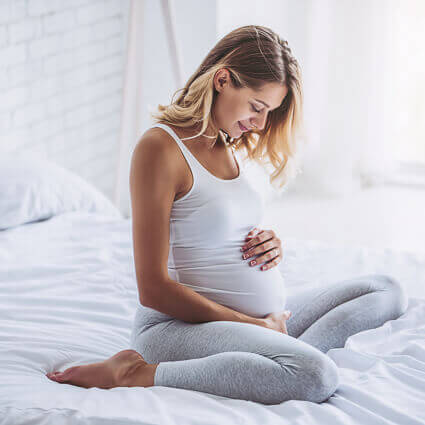
 Growing a baby is remarkable, but it also places significant physical demand on the spine, pelvis, and surrounding muscles and joints. These changes build gradually over time as the body adapts to pregnancy.
“So many women assume the aches and pains of pregnancy are just part of the deal. But understanding why the body is under that extra load, and knowing there are ways to encourage comfort and movement, can change the experience completely.” — Dr Jo Galang Hann, Tauranga Chiropractor
Your Centre of Gravity Is Constantly Shifting
One of the biggest physical changes during pregnancy is the forward shift in your centre of gravity. As your baby grows, the body naturally adapts to maintain balance and stability.
To compensate, the lower back often develops a deeper curve, while the pelvis and surrounding muscles adjust to the changing load. This can place extra tension on the lower back, hips, and pelvis, which is why these areas commonly feel strained during pregnancy.
For many women, this isn’t about weakness. It’s simply the body working hard to adapt to rapid physical change.
Hormonal Changes Affect Joint Stability
Pregnancy hormones also play a major role in how the body feels and functions.
Hormones such as relaxin increase joint laxity throughout the body, helping prepare the pelvis and surrounding structures for birth. While this is a normal and important process, increased mobility can sometimes reduce stability in certain joints.
As a result, some women notice more tension, sensitivity, or discomfort through the pelvis, hips, and lower back during pregnancy.
The Pelvis Carries a Significant Load
The pelvis sits at the centre of many pregnancy-related changes. It supports the growing uterus, connects the spine to the lower body, and helps distribute force every time you walk, stand, or change position.
When the pelvis is under extra strain, everyday movements can become more uncomfortable. Some women experience pubic discomfort, particularly around the pubic symphysis joint at the front of the pelvis, while others notice tension through the hips or lower back.
Pregnancy Affects the Whole Body
The physical effects of pregnancy don’t stop at the spine and pelvis. Changes in posture and weight distribution can also affect the feet, ribs, diaphragm, and overall mobility.
As the baby grows upward into the ribcage, some women find breathing feels different in later pregnancy. Sleeping positions may also become more difficult as the body continues to change.
All of these adaptations are connected, which is why many women look for ways to assist comfort and movement throughout pregnancy.
Comfort Matters During Pregnancy
Understanding why the body feels different during pregnancy can help shift the focus away from simply “putting up with” discomfort. Pregnancy places real structural and hormonal demands on the body, and those demands change throughout each trimester.
Be Vital Chiropractic in Tauranga offers gentle, adapted care that considers the whole body. Our care may help promote comfort, movement, and overall wellbeing during pregnancy and postpartum.